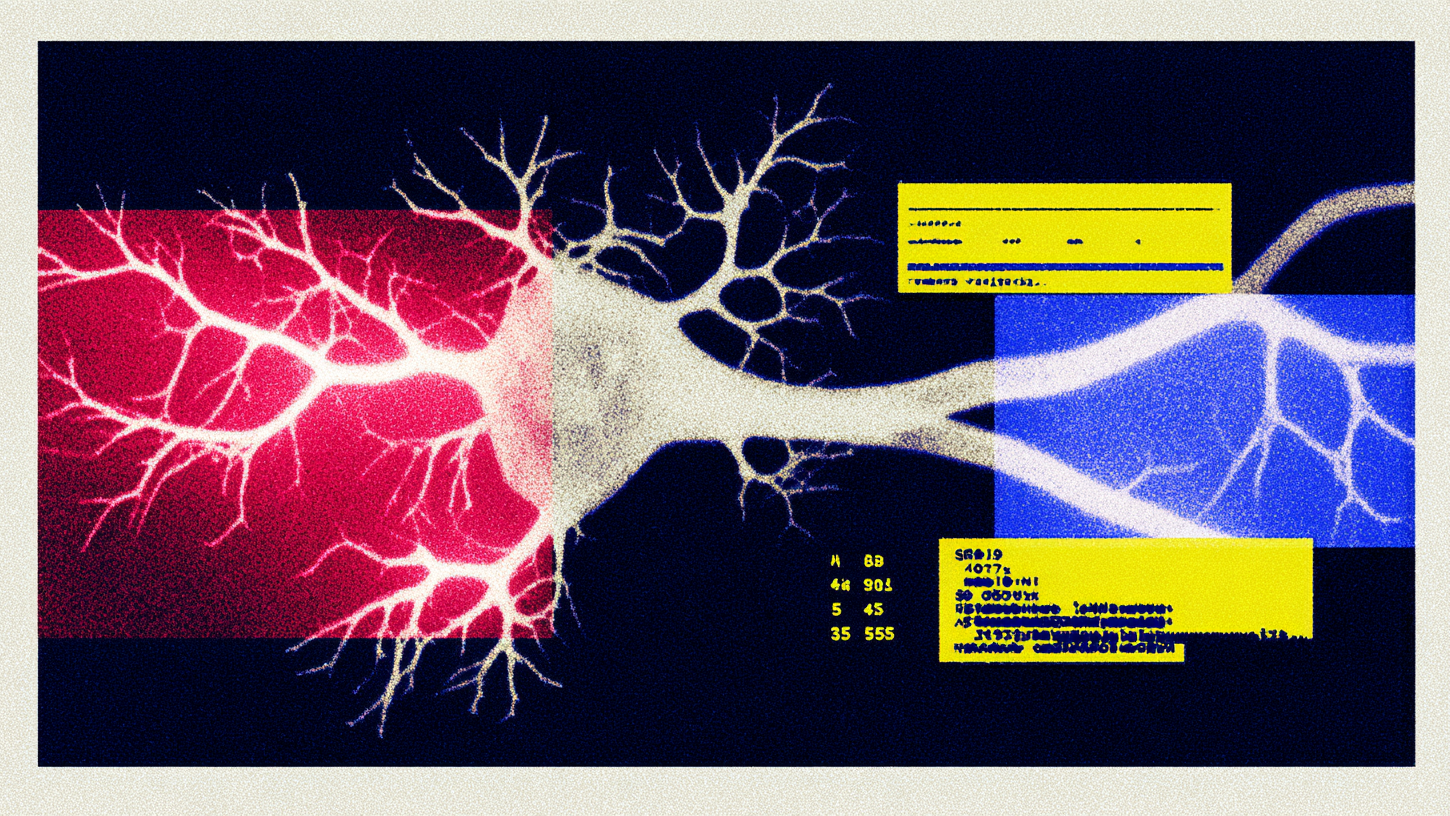


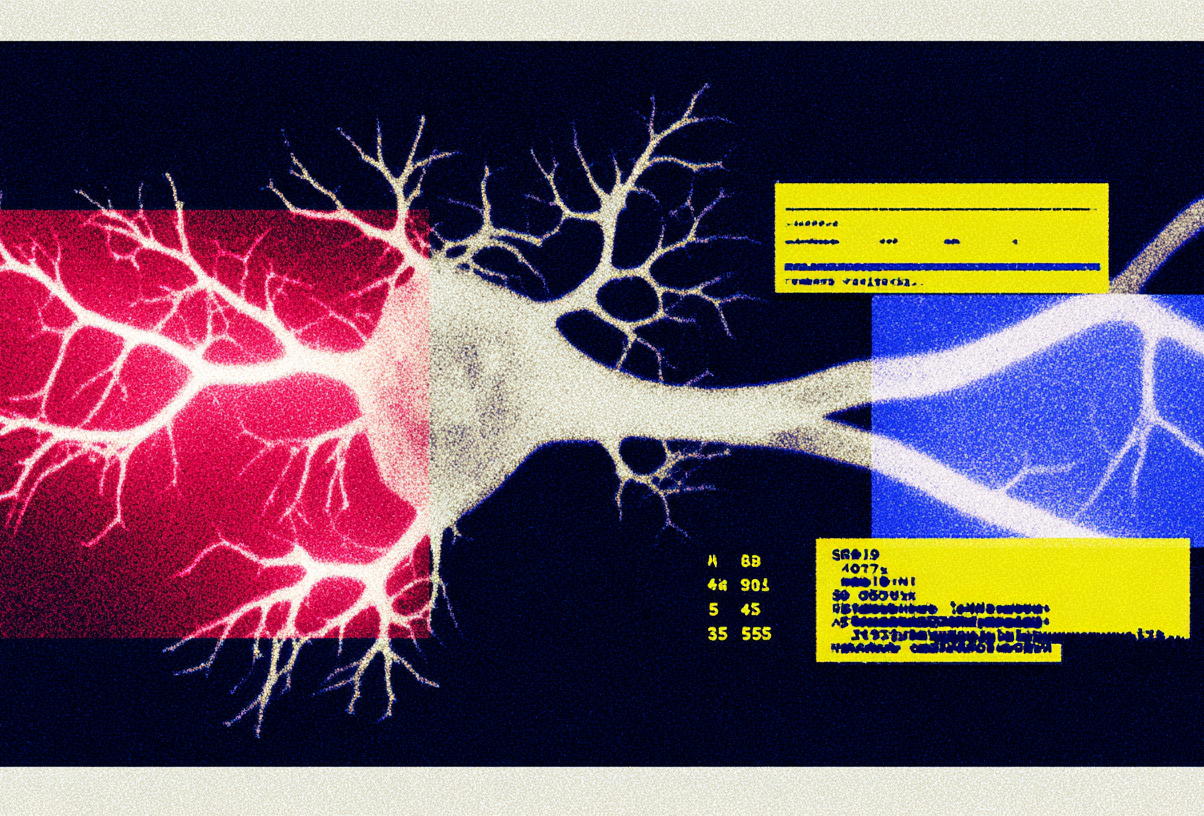
Tucked into an unassuming office building in San Francisco, one startup is betting on an unconventional way of alleviating the AI energy crisis: living human cells.
The Biological Computing Company, or TBC, a startup that emerged from stealth in February with $25 million in seed funding, is pioneering an alternative to traditional silicon, using living neurons as the foundation to improve generative AI algorithms and infrastructure. Sitting at the helm of TBC are former neurosurgeons, Dr. Alex Ksendsovsky and Dr. Jon Pomeraniec.
Last week, The Deep View was invited to tour TBC’s lab in Mission Bay, meeting the startup's team of 23, ranging from computer vision experts and AI developers to computational physicists and hands-on biologists, many of whom came from large tech firms like Meta, Apple and Amazon. Bundled in a lab coat, mask and latex gloves, I had the opportunity to get an up-close look at the chips themselves, each containing anywhere from 100,000 to 500,000 neurons.
Here’s how it works:
- TBC takes real-world data, such as images and videos, and encodes them into the neurons of these chips. This information is then decoded into richer representations, which are then used to bolster AI algorithms. As Ksendsovsky put it, “all of the data flows through the biology.”
- Each of the company’s chips contain a “multi-electron array” in which neurons, grown from stem cells that are “reprogrammed” into frontal cortex cells, are maintained. The company originally used neurons extracted from rats, but Ksendsovsky told me that TBC is “moving away from that.” The chips have a lifespan of a year, and create waste that needs to be cleaned out every few days.
Though this might sound like science fiction, Ksendsovsky said that this technology harkens back to AI’s roots. Neural networks were originally named as such because they modeled the neurons in a human brain. But as AI developed, the technology “became very non-biological,” leading silicon to become “rigid” and forcing AI scaling to resort to brute-force, power-hungry methods, he said.
This is where TBC’s chips may have the greatest advantage, he said: Brain cells, generally, require less energy than silicon chips to power intelligence. In its research, TBC discovered that models trained on “biological neural responses” reached peak performance three times faster, requiring fewer training iterations and implying a “threefold reduction in the computational and energy demands.”
For now, the company isn’t selling the chips themselves, but rather is using the technology to build and strengthen algorithms that use neurological signals, primarily for visual AI, including generative video, game rendering and computer vision. Though he wouldn’t name names, Ksendsovsky said the company is in talks with foundational model labs, cybersecurity firms and data curation companies.
“I think the most common misconception is that this is just a research project,” Ksendsovsky told me. “We are building products now. We want to show people that there are tangible results that can be monetized now. What we're building is so unique and so far out, that I think it's just going to take the world a little bit to see it and understand it.”
Eventually, TBC hopes to move to “real-time compute,” in which these biological chips themselves are a part of the “inference loop,” Ksendsovsky said, eyeing that milestone for five to ten years from now. However, a lot needs to be done to make that happen, including automating the collection of waste that these cells generate and figuring out how to “immortalize” their lifespans.
“The reality is, there's a lot of foundational things that need to be understood and built to get to that point,” he said.
Our Deeper View
TBC’s thesis is undoubtedly outlandish. But AI, once deemed science fiction itself, has become so commonplace that its rapid scale has created a litany of issues in its wake, the greatest of which may be energy. And because of this, the leading voices in AI are grasping for technologies that also once seemed out of reach, such as fusion energy and data centers in space that harness the sun's power. Crisis is the mother of invention, and AI is unquestionably creating crises. The solutions may live within us, figuratively and literally, if TBC has anything to say about it.